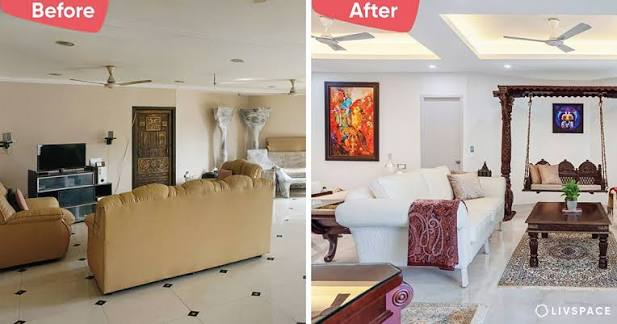
Direct Answer
If you’re wondering how to design a home renovation, the most effective approach is to start with a clear vision, establish a realistic budget, prioritize functional improvements, and create a detailed renovation plan before beginning any work. A successful home renovation combines smart design, quality materials, efficient layouts, and long-term value. This guide covers everything from planning and budgeting to choosing finishes, avoiding common mistakes, and creating a home you’ll enjoy for years.
Why Planning Is the Foundation of Every Home Renovation
Every successful renovation starts with careful planning rather than demolition.
Without a plan, homeowners often face:
- Unexpected expenses
- Project delays
- Poor design decisions
- Material waste
- Contractor misunderstandings
A thoughtful renovation plan saves both time and money.
Define Your Renovation Goals
Before selecting paint colors or flooring, determine what you want to achieve.
Ask yourself:
Why are you renovating?
Common goals include:
- Increasing property value
- Improving functionality
- Creating more storage
- Modernizing outdated rooms
- Expanding living space
- Improving energy efficiency
Knowing your priorities helps guide every decision.
Create a Realistic Budget
Budgeting is one of the most important parts of renovation planning.
Include costs for:
- Materials
- Labor
- Permits
- Furniture
- Lighting
- Fixtures
- Landscaping
- Unexpected repairs
Experts recommend setting aside an emergency fund for surprises that often appear once renovation work begins.
Evaluate Your Existing Home
Walk through every room before making design decisions.
Look for:
- Structural problems
- Water damage
- Poor lighting
- Limited storage
- Inefficient layouts
- Outdated finishes
Document areas that need immediate attention.
Prioritize Functional Improvements
Beautiful homes should also be practical.
Focus first on improvements that affect everyday living.
Examples include:
- Better kitchen layouts
- Larger storage areas
- Improved insulation
- Updated plumbing
- Electrical upgrades
- Improved ventilation
Cosmetic updates can follow later if needed.
Develop a Design Style
Choosing one consistent design style creates visual harmony.
Popular renovation styles include:
Modern
Features:
- Clean lines
- Neutral colors
- Minimal decoration
- Open layouts
Farmhouse
Includes:
- Natural wood
- Warm colors
- Rustic textures
- Comfortable furniture
Scandinavian
Known for:
- Bright interiors
- Functional furniture
- Soft color palettes
- Natural materials
Transitional
Blends traditional and contemporary elements for timeless appeal.
Plan Your Floor Layout
The layout determines how efficiently your home functions.
Consider:
Traffic Flow
Ensure people can move comfortably between rooms.
Open Spaces
Many homeowners remove unnecessary walls to improve natural light.
Privacy
Bedrooms and offices should remain separate from busy living areas whenever possible.
Choose Quality Materials
Material selection affects durability and maintenance.
Prioritize:
- Hardwood flooring
- Quartz countertops
- Ceramic tile
- Solid wood cabinetry
- Energy-efficient windows
- Durable paint finishes
High-quality materials often provide better long-term value.
Kitchen Renovation Design Tips
The kitchen remains one of the most valuable renovation projects.
Focus on:
Functional Work Triangle
Keep the sink, stove, and refrigerator within easy reach.
Storage Solutions
Include:
- Pull-out drawers
- Pantry cabinets
- Corner organizers
- Vertical storage
Lighting
Combine:
- Ceiling lighting
- Under-cabinet lights
- Pendant fixtures
A well-designed kitchen improves both functionality and resale value.
Bathroom Renovation Ideas
Bathrooms should combine comfort and efficiency.
Popular upgrades include:
- Walk-in showers
- Floating vanities
- Large mirrors
- Water-saving fixtures
- Built-in storage
- Better ventilation
Simple upgrades often create a luxurious appearance.
Living Room Renovation
The living room should feel welcoming and flexible.
Improve it by adding:
- Larger windows
- Built-in shelving
- Comfortable seating
- Layered lighting
- Decorative accent walls
- Smart storage solutions
Avoid overcrowding the room with furniture.
Bedroom Design Considerations
A renovated bedroom should encourage relaxation.
Include:
- Comfortable lighting
- Neutral colors
- Quality flooring
- Functional closets
- Soft textiles
- Minimal clutter
Comfort should always take priority over excessive decoration.
Improve Natural Lighting
Natural light transforms interiors.
Ways to increase it include:
- Larger windows
- Skylights
- Glass doors
- Mirrors
- Open layouts
- Light-colored walls
Bright homes often appear larger and more inviting.
Add Smart Storage Solutions
Storage keeps renovated homes organized.
Consider:
- Built-in cabinets
- Floating shelves
- Under-bed storage
- Window benches
- Mudroom lockers
- Closet organizers
Every room should include practical storage.
Personal Experience: Renovating with a Plan Saves Money
We’ve seen homeowners dramatically improve their renovation results by planning every detail before construction began.
One family focused first on updating their kitchen layout, improving storage, repainting walls, and upgrading lighting instead of replacing everything. The project stayed within budget while delivering a brighter, more functional home.
This experience highlights that smart planning often produces better outcomes than simply spending more money.
Expert Opinion on Home Renovation
Professional designers recommend investing in permanent improvements before decorative upgrades.
Quality flooring, insulation, plumbing, windows, and cabinetry provide lasting value, while decorative accessories can always be updated later.
A balanced investment strategy creates homes that remain attractive for many years.
Comparison Table: Cosmetic Renovation vs Full Home Renovation
| Feature | Cosmetic Renovation | Full Home Renovation |
|---|---|---|
| Cost | Lower | Higher |
| Timeline | Short | Longer |
| Structural Changes | No | Yes |
| Property Value Impact | Moderate | High |
| Project Complexity | Simple | Advanced |
| Best For | Updating appearance | Complete transformation |
Budget-Friendly Renovation Ideas
Not every renovation requires major construction.
Affordable improvements include:
- Paint walls
- Replace cabinet hardware
- Upgrade lighting fixtures
- Install floating shelves
- Replace faucets
- Refinish cabinets
- Add decorative molding
- Update interior doors
Small improvements often create significant visual impact.
Common Renovation Mistakes
Avoid these costly errors:
- Starting without a budget
- Ignoring permits
- Buying cheap materials
- Following short-term trends
- Overlooking storage
- Forgetting lighting design
- Hiring contractors without references
- Making changes during construction
Planning carefully minimizes these risks.
Sustainable Renovation Ideas
Eco-friendly renovations reduce long-term operating costs.
Popular upgrades include:
- LED lighting
- Energy-efficient windows
- Low-flow plumbing fixtures
- Smart thermostats
- Recycled materials
- Improved insulation
Sustainability benefits both homeowners and the environment.
Final Renovation Checklist
Before completing your project, confirm:
- Paint is finished
- Lighting works properly
- Cabinets operate smoothly
- Flooring is complete
- Plumbing is tested
- Electrical systems are inspected
- Storage is organized
- Final cleaning is complete
A thorough inspection ensures lasting satisfaction.
Future Home Renovation Trends
Modern renovation continues evolving.
Popular trends include:
- Smart home technology
- Open-concept living
- Multifunctional rooms
- Sustainable materials
- Home offices
- Wellness-focused spaces
- Natural textures
- Energy-efficient upgrades
These features improve comfort while increasing home value.
Read More: techupline
Pro Tip
Design your renovation around your lifestyle rather than current trends. Choose layouts, materials, and storage solutions that improve everyday living first. Timeless functionality will always outperform fashionable designs that quickly become outdated.
Frequently Asked Questions (FAQs)
1. What is the first step in designing a home renovation?
The first step is defining your goals, evaluating your home’s current condition, setting a realistic budget, and creating a detailed renovation plan.
2. How do I stay within my renovation budget?
Prioritize essential upgrades, compare contractor estimates, choose durable materials, avoid unnecessary changes during construction, and reserve funds for unexpected expenses.
3. Should I renovate one room at a time?
Yes. Renovating one area at a time allows better budget management, minimizes disruption, and makes project scheduling more manageable.
4. Which renovation adds the most value to a home?
Kitchen remodels, bathroom upgrades, energy-efficient improvements, quality flooring, and enhanced curb appeal typically provide the highest return on investment.
5. How long does a typical home renovation take?
The timeline depends on the project’s size. Cosmetic renovations may take a few weeks, while complete home renovations can require several months of planning and construction.

![The Ultimate Guide to Choosing a [techypaper] Supplier in 2026](https://techupline.com/wp-content/uploads/2026/05/The-Ultimate-Guide-to-Choosing-a-techypaper-Supplier-in-2026-330x220.png)