Introduction: What Are Tech Innovations?
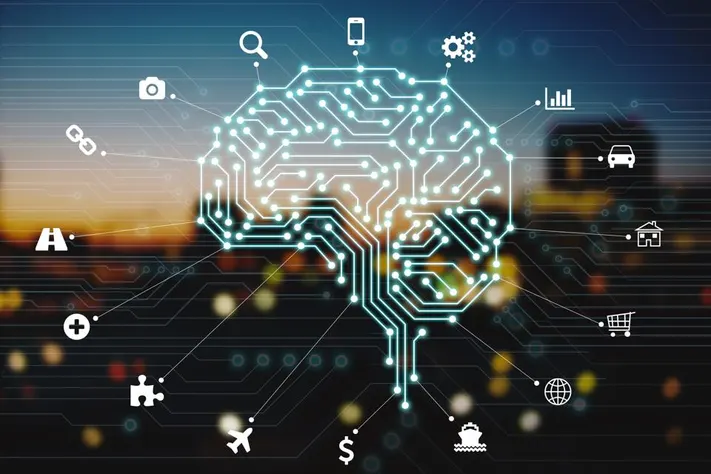
Tech innovations are new technologies, products, systems, and digital solutions that improve the way people live, work, communicate, and solve problems. From Artificial Intelligence (AI) and robotics to cloud computing, smart devices, and quantum computing, today’s innovations are reshaping industries faster than ever before.
Technology is no longer just about faster computers or better smartphones. Modern innovations focus on automation, connectivity, sustainability, and intelligent decision-making. Businesses that embrace these technologies gain greater efficiency, while individuals benefit from improved convenience, productivity, and quality of life.
Why Tech Innovations Matter
Innovation drives economic growth and helps organizations remain competitive.
Major benefits include:
- Improved productivity
- Lower operating costs
- Enhanced customer experience
- Better cybersecurity
- Faster communication
- Smarter decision-making
Companies that invest in innovation are better prepared for future market changes.
Artificial Intelligence Is Leading Modern Innovation
Artificial Intelligence has become one of the most important technological innovations of the decade.
AI helps businesses:
- Automate repetitive tasks
- Analyze large datasets
- Improve customer support
- Predict market trends
- Create personalized experiences
Everyday AI Applications
People use AI through:
- Voice assistants
- Smart search engines
- Language translation
- Image generation
- Navigation apps
- Healthcare diagnostics
AI continues expanding into nearly every industry.
Comparison Table: Traditional Technology vs Modern Tech Innovations
| Feature | Traditional Technology | Modern Tech Innovations |
|---|---|---|
| Data Processing | Manual | AI-powered automation |
| Storage | Local Servers | Cloud Computing |
| Security | Password-based | Biometric & AI Security |
| Manufacturing | Human-operated | Smart Robotics |
| Communication | Real-time Collaboration | |
| Decision Making | Experience-based | Data-driven Analytics |
Cloud Computing Continues to Revolutionize Business
Cloud technology has transformed how organizations manage information.
Key advantages include:
- Remote accessibility
- Lower infrastructure costs
- Automatic software updates
- Better collaboration
- Enhanced scalability
Cloud computing enables businesses to operate efficiently regardless of location.
Robotics and Automation
Modern robotics continues improving manufacturing, healthcare, logistics, and agriculture.
Robotics Applications
- Warehouse automation
- Industrial manufacturing
- Medical surgery
- Food production
- Space exploration
- Customer service
Automation reduces repetitive work while improving productivity and consistency.
Personal Experience: Real Value of Innovation
Humne dekha hai ke organizations jo naye digital tools ko jaldi adopt karti hain, unki operational efficiency significantly improve hoti hai. Businesses using automation software and cloud collaboration often complete projects faster while reducing operational costs.
Our experience suggests that innovation is most successful when technology supports people rather than replacing them.
Case Study: Digital Innovation in Retail
A retail business faced challenges with inventory management and customer service.
After implementing:
- AI demand forecasting
- Cloud inventory software
- Customer analytics
- Automated billing
The company achieved:
- Faster order processing
- Reduced inventory errors
- Improved customer satisfaction
- Better sales forecasting
This demonstrates how tech innovations directly improve business performance.
Internet of Things (IoT)
The Internet of Things connects everyday devices through the internet.
Examples include:
- Smart homes
- Smart factories
- Connected vehicles
- Wearable fitness devices
- Smart agriculture
- Industrial monitoring systems
IoT provides real-time information that improves efficiency and decision-making.
Quantum Computing: The Next Frontier
Quantum computing represents one of the most exciting innovations in computing.
Potential applications include:
- Drug discovery
- Climate modeling
- Financial forecasting
- Cryptography
- Logistics optimization
Although still developing, quantum computing promises revolutionary computing power.
Healthcare Technology Innovations
Healthcare continues benefiting from technological breakthroughs.
Major Innovations
- AI-assisted diagnosis
- Robotic surgery
- Wearable health monitors
- Electronic medical records
- Remote healthcare
- Personalized medicine
These technologies improve patient care while reducing treatment delays.
Smart Cities and Digital Infrastructure
Future cities rely on connected technologies.
Important components include:
- Intelligent traffic systems
- Smart lighting
- Renewable energy management
- Digital public services
- Smart waste collection
- Connected transportation
These innovations improve urban living and environmental sustainability.
Sustainable Technology
Environmental innovation has become a major priority.
Examples include:
- Solar power improvements
- Smart energy grids
- Electric vehicles
- Battery innovation
- Green hydrogen
- Carbon reduction technologies
Sustainable technology supports both economic growth and environmental protection.
Cybersecurity Innovation
Digital transformation increases cybersecurity requirements.
Modern security innovations include:
- AI threat detection
- Multi-factor authentication
- Behavioral analytics
- Zero Trust Security
- Biometric verification
Businesses should continuously strengthen digital security as threats evolve.
Challenges of Tech Innovations
Despite numerous advantages, innovation presents several challenges.
Privacy
Connected technologies collect significant amounts of user information.
Ethical AI
Developers must ensure responsible AI usage.
Workforce Adaptation
Employees need continuous skill development.
Investment Costs
Some innovations require substantial financial investment before delivering long-term benefits.
Organizations should carefully balance innovation with responsible implementation.
Expert Opinion on Future Innovation
Expert ki rai yeh hai ke Artificial Intelligence, automation, cybersecurity, cloud computing, and sustainable technologies will continue leading global innovation.
Rather than replacing human workers, these technologies will support better decision-making, creativity, and productivity. Businesses investing in digital transformation today are likely to remain more competitive in the future.
How Businesses Can Adopt Tech Innovations
Organizations should focus on:
- Training employees
- Investing in cloud technology
- Implementing AI responsibly
- Strengthening cybersecurity
- Monitoring industry trends
- Encouraging continuous innovation
Successful digital transformation requires both technology and skilled people.
Read More: techupline
Pro Tip
Innovation is most valuable when it solves real problems. Instead of adopting every new technology, focus on solutions that improve efficiency, customer satisfaction, and long-term business growth.
Frequently Asked Questions (FAQs)
What are tech innovations?
Tech innovations are new technologies, digital solutions, and scientific advancements that improve business operations and everyday life.
Why are tech innovations important?
They increase productivity, improve customer experiences, reduce costs, strengthen cybersecurity, and support business growth.
Which technology is currently the biggest innovation?
Artificial Intelligence (AI) is considered the most influential innovation because it impacts nearly every industry.
How do businesses benefit from technology innovation?
Businesses improve efficiency, automate repetitive tasks, analyze customer data, and deliver better products and services.
What technologies will shape the future?
Artificial Intelligence, robotics, quantum computing, cloud computing, cybersecurity, renewable energy, and smart city technologies are expected to shape the future of innovation.

![The Ultimate Guide to Choosing a [techypaper] Supplier in 2026](https://techupline.com/wp-content/uploads/2026/05/The-Ultimate-Guide-to-Choosing-a-techypaper-Supplier-in-2026-330x220.png)