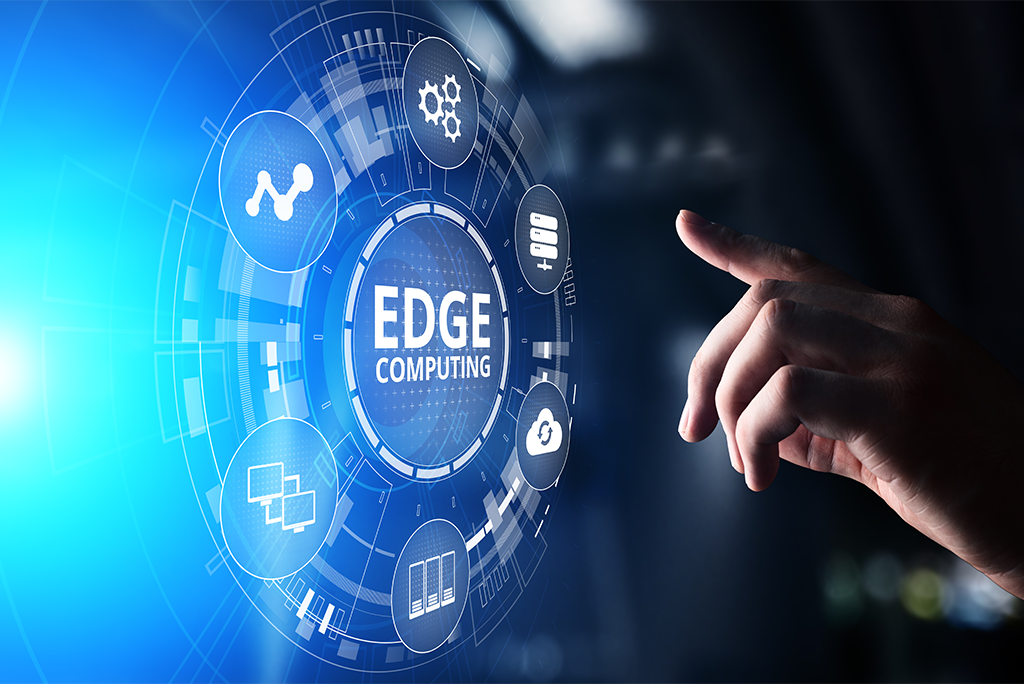
What Is Edge Computing?
Edge computing is a modern computing approach that processes data closer to where it is generated instead of sending everything to a centralized cloud or data center. By reducing the distance data must travel, computing delivers faster response times, lower latency, improved security, and better performance for connected devices and applications.
As businesses increasingly rely on the Internet of Things (IoT), artificial intelligence (AI), and real-time analytics, edge computing has become a key technology for improving efficiency and enabling smarter decision-making.
Why Edge Computing Is Important
Traditional cloud computing requires data to travel to remote servers for processing, which can introduce delays. Edge computing solves this problem by processing information locally, allowing devices to respond almost instantly.
Key benefits include:
- Lower latency
- Faster data processing
- Reduced bandwidth usage
- Improved reliability
- Better data privacy
- Enhanced scalability
- Real-time decision-making
These advantages make essential for applications where speed and reliability are critical.
How Edge Computing Works
Edge computing places computing resources closer to users or devices.
The process typically follows these steps:
- A device generates data.
- An edge device or edge server processes the information.
- Only necessary data is sent to the cloud.
- Real-time actions are completed immediately.
This approach minimizes delays while reducing network traffic.
Edge Computing vs Cloud Computing
Both technologies play important roles, but they serve different purposes.
| Edge Computing | Cloud Computing |
|---|---|
| Processes data locally | Processes data in centralized data centers |
| Low latency | Higher latency |
| Faster response time | Better for large-scale storage |
| Less bandwidth usage | Higher bandwidth requirements |
| Supports real-time applications | Ideal for long-term analytics |
| Works even with limited connectivity | Depends heavily on internet access |
Many organizations now use a hybrid approach that combines both and cloud computing.
Benefits of Edge Computing
Faster Performance
Because processing happens near the data source, applications respond much faster.
This is essential for:
- Autonomous vehicles
- Industrial automation
- Online gaming
- Healthcare monitoring
Lower Latency
Latency measures the time required for data to travel.
Edge computing dramatically reduces latency, making real-time applications far more responsive.
Improved Security
Keeping sensitive information closer to its source reduces unnecessary data transfers.
Organizations can:
- Encrypt local data
- Limit cloud exposure
- Improve compliance
- Reduce cyber risks
Reduced Network Traffic
Instead of sending every piece of information to the cloud, edge devices filter and process data locally.
This reduces:
- Internet congestion
- Bandwidth costs
- Cloud processing expenses
Better Reliability
Edge systems continue operating even when internet connectivity becomes unstable.
This makes them valuable in remote locations and industrial environments.
Common Applications of Edge Computing
Internet of Things (IoT)
Millions of IoT devices generate massive amounts of data every second.
Edge computing helps process information from:
- Smart homes
- Smart cities
- Industrial sensors
- Wearable devices
Autonomous Vehicles
Self-driving cars require immediate decision-making.
Edge computing enables vehicles to:
- Detect obstacles
- Process camera data
- Respond instantly
- Improve road safety
Healthcare
Hospitals increasingly use for:
- Patient monitoring
- Medical imaging
- Emergency response
- Connected medical devices
Real-time analysis can improve patient outcomes.
Manufacturing
Factories use edge computing to monitor equipment continuously.
Benefits include:
- Predictive maintenance
- Quality control
- Equipment monitoring
- Production optimization
Retail
Retail businesses use for:
- Smart checkout systems
- Inventory tracking
- Customer behavior analysis
- Personalized shopping experiences
Components of Edge Computing
A completesystem typically includes:
Edge Devices
Examples include:
- Sensors
- Cameras
- Smartphones
- Industrial machines
- Smart appliances
Edge Servers
These servers perform local data processing before sending selected information to the cloud.
Cloud Infrastructure
Cloud platforms continue handling:
- Long-term storage
- Big data analytics
- Machine learning
- Backup systems
Together, and cloud computing create a balanced computing environment.
Personal Experience
Humne dekha hai that organizations often struggle with slow cloud-only systems when handling thousands of connected devices.
In one manufacturing environment, moving certain processing tasks from the cloud to local edge servers reduced delays during equipment monitoring. Operators received alerts much faster, allowing maintenance teams to address issues before they caused production downtime.
This demonstrates how improves operational efficiency in real-world scenarios.
Case Study: Smart Factory Transformation
A manufacturing company installed hundreds of IoT sensors across its production line.
Initially, every sensor transmitted data directly to the cloud, creating delays and increasing bandwidth costs.
After implementing an edge computing solution:
- Equipment issues were detected instantly.
- Network traffic decreased significantly.
- Downtime was reduced.
- Maintenance became more proactive.
Expert ki rai yeh hai that combining edge computing with AI-powered analytics enables faster and more accurate industrial decision-making.
Challenges of Edge Computing
Despite its advantages, edge computing also presents challenges.
Common issues include:
- Device management complexity
- Hardware costs
- Security maintenance
- Software updates
- Data synchronization
- Scalability planning
Proper infrastructure planning helps organizations overcome these challenges.
Best Practices for Edge Computing
Organizations should follow these recommendations:
- Secure edge devices
- Encrypt sensitive data
- Use regular software updates
- Monitor network performance
- Implement strong authentication
- Maintain backup systems
- Integrate with cloud services
These practices improve reliability and long-term performance.
Future of Edge Computing
The demand for continues growing as connected technologies expand.
Artificial Intelligence at the Edge
AI models running directly on edge devices enable instant predictions without relying on cloud servers.
5G Networks
The combination of 5G and delivers ultra-fast communication with minimal latency.
Smart Cities
Cities increasingly rely on edge computing for:
- Traffic management
- Public safety
- Energy monitoring
- Environmental sensors
Industrial Automation
Future factories will depend heavily on edge computing to automate production and improve operational efficiency.
Industries Using Edge Computing
Many industries are adopting including:
- Healthcare
- Manufacturing
- Retail
- Transportation
- Agriculture
- Telecommunications
- Energy
- Financial services
- Smart homes
- Education
Its flexibility makes it valuable across nearly every sector.
Read More: techupline
Pro Tip
Use alongside cloud computing rather than replacing it completely. Process time-sensitive tasks locally for speed and reliability, while using the cloud for storage, advanced analytics, and long-term data management. This hybrid strategy offers the best balance of performance, scalability, and cost efficiency.
Frequently Asked Questions (FAQs)
1. What is edge computing?
Edge computing is a distributed computing model that processes data closer to where it is generated, reducing latency and improving real-time performance.
2. How is edge computing different from cloud computing?
Edge computing processes data locally near devices, while cloud computing relies on centralized remote data centers for processing and storage.
3. What are the main benefits of edge computing?
The primary benefits include lower latency, faster processing, reduced bandwidth usage, better security, and improved reliability.
4. Which industries benefit most from edge computing?
Healthcare, manufacturing, retail, transportation, telecommunications, smart cities, and industrial IoT are among the industries that benefit the most.
5. Does edge computing replace cloud computing?
No. Most organizations use a hybrid approach where handles real-time processing and cloud computing manages storage, analytics, and large-scale data processing.

![The Ultimate Guide to Choosing a [techypaper] Supplier in 2026](https://techupline.com/wp-content/uploads/2026/05/The-Ultimate-Guide-to-Choosing-a-techypaper-Supplier-in-2026-330x220.png)