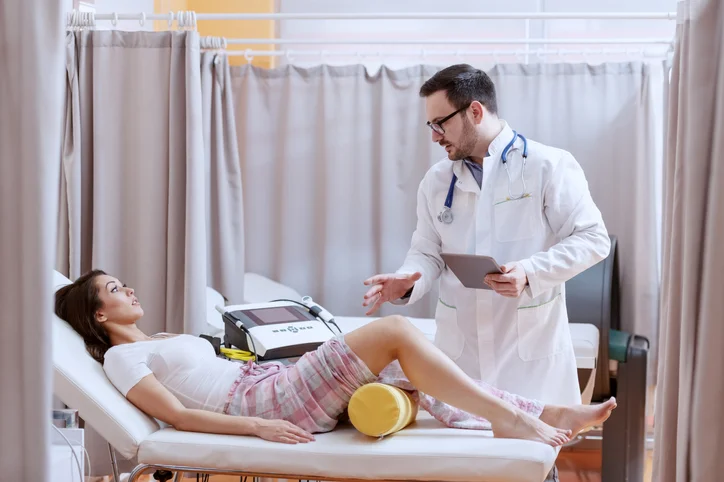
What Is an Emergency Room Tech?
An Emergency Room Tech (ER Tech) is a healthcare professional who assists doctors and nurses in providing fast, efficient, and compassionate care to patients in an emergency department. ER techs perform a wide range of clinical and non-clinical tasks, including monitoring vital signs, preparing medical equipment, transporting patients, collecting specimens, assisting during emergency procedures, and ensuring the emergency room operates smoothly.
If you’re considering a career in healthcare that combines patient care, teamwork, and a fast-paced work environment, becoming an emergency room tech can be an excellent choice. It offers hands-on medical experience and serves as a stepping stone toward careers in nursing, paramedicine, physician assistance, or medicine.
Why Emergency Room Techs Are Essential
Emergency departments are among the busiest areas in any hospital. Every second matters, and healthcare professionals rely on teamwork to deliver timely treatment.
An ER tech plays an important supporting role by helping physicians and nurses focus on critical patient care. Their assistance improves workflow, reduces waiting times, and enhances the overall patient experience.
Without skilled emergency room technicians, emergency departments would struggle to maintain efficiency during busy shifts.
Primary Responsibilities of an Emergency Room Tech
Although responsibilities vary by hospital, most ER techs perform similar daily duties.
Patient Care
One of the biggest responsibilities is providing direct patient care.
Common tasks include:
- Measuring blood pressure
- Checking pulse rate
- Recording temperature
- Monitoring oxygen levels
- Assisting patients with mobility
- Helping patients change into hospital gowns
- Collecting medical history under supervision
Assisting Medical Staff
Emergency room technicians support nurses and physicians during medical procedures.
Examples include:
- Preparing examination rooms
- Setting up sterile equipment
- Assisting during wound care
- Supporting fracture treatment
- Helping during CPR
- Assisting trauma teams
- Preparing IV equipment
Diagnostic Support
Many ER techs assist with diagnostic procedures such as:
- Electrocardiograms (EKGs)
- Blood sample collection
- Urine specimen collection
- Laboratory transportation
- Point-of-care testing
Depending on state regulations and employer policies, responsibilities may differ.
Daily Work Environment
Emergency departments operate 24 hours a day.
ER techs often work:
- Day shifts
- Evening shifts
- Overnight shifts
- Weekends
- Holidays
- Rotating schedules
The work environment is fast-paced and unpredictable. One moment may involve treating a minor injury, while the next could require assisting during a life-threatening emergency.
Skills Every Emergency Room Tech Needs
Success in this profession requires both technical and interpersonal skills.
Clinical Skills
Essential clinical abilities include:
- Taking vital signs
- CPR knowledge
- Basic patient assessment
- Infection control
- Medical documentation
- Equipment handling
- Specimen collection
Soft Skills
Equally important are personal qualities such as:
- Communication
- Compassion
- Teamwork
- Problem-solving
- Attention to detail
- Adaptability
- Emotional resilience
Patients visiting emergency rooms are often frightened or in pain. Calm communication helps create trust during stressful situations.
Education Requirements
Educational requirements vary by employer.
Many hospitals prefer candidates with:
- High school diploma or GED
- Certified Nursing Assistant (CNA)
- Emergency Medical Technician (EMT)
- Patient Care Technician (PCT)
- Basic Life Support (BLS) certification
Some employers also require Advanced Cardiovascular Life Support (ACLS) certification depending on job responsibilities.
Certifications That Improve Employment Opportunities
Having certifications can make applicants more competitive.
Popular certifications include:
- Basic Life Support (BLS)
- CPR Certification
- EMT Certification
- Certified Nursing Assistant (CNA)
- Phlebotomy Certification
- EKG Technician Certification
Employers often value candidates who already possess multiple clinical skills.
Personal Experience
From conversations with healthcare professionals and reviewing hospital workflows, we’ve seen that ER techs are often described as the “extra set of hands” that keeps emergency departments functioning efficiently.
Experienced nurses frequently mention that skilled ER techs reduce workload by preparing equipment, transporting patients quickly, and responding promptly during emergencies. Their contribution may not always receive public recognition, but it has a direct impact on patient care and department efficiency.
Case Study: Managing a Busy Emergency Department
Consider a busy evening when multiple patients arrive within a short period after a traffic accident.
While physicians assess critical injuries and nurses administer medications, ER techs immediately begin taking vital signs, preparing trauma rooms, transporting patients for imaging, collecting blood samples, and ensuring equipment is available.
This coordinated teamwork allows medical staff to focus on lifesaving treatment instead of logistical tasks. Hospitals often emphasize that strong collaboration between ER techs, nurses, and physicians improves workflow and patient outcomes.
Comparison Table
| Feature | Emergency Room Tech | CNA | EMT |
|---|---|---|---|
| Primary Workplace | Emergency Department | Nursing Homes & Hospitals | Ambulance & Emergency Response |
| Patient Care | High | High | High |
| Emergency Procedures | Frequent | Limited | Extensive |
| Patient Transport | Yes | Sometimes | Yes |
| Vital Signs | Yes | Yes | Yes |
| Trauma Exposure | High | Low | Very High |
| Fast-Paced Environment | Very High | Moderate | Very High |
Advantages of Becoming an Emergency Room Tech
There are many reasons people choose this career.
Benefits include:
- Fast-paced work environment
- Hands-on patient care
- Strong teamwork
- Valuable medical experience
- Career advancement opportunities
- High job satisfaction
- Exposure to different medical specialties
Many individuals use this role as preparation for nursing school or physician assistant programs.
Challenges of the Job
Like every healthcare profession, this career also has challenges.
These may include:
- Long shifts
- Emotional situations
- Physically demanding work
- Exposure to trauma
- Night schedules
- High patient volumes
Learning healthy stress-management techniques and maintaining good communication with coworkers can make these challenges more manageable.
Salary Expectations
Emergency room technician salaries vary based on:
- Geographic location
- Experience
- Certifications
- Hospital size
- Shift differentials
- Overtime opportunities
Technicians with specialized certifications and several years of experience often earn higher wages than entry-level employees.
Career Advancement Opportunities
An ER tech position can open doors to many healthcare careers.
Common career paths include:
- Registered Nurse (RN)
- Licensed Practical Nurse (LPN)
- Physician Assistant (PA)
- Emergency Medical Services
- Surgical Technologist
- Respiratory Therapist
- Radiologic Technologist
- Healthcare Administration
The experience gained in emergency medicine provides an excellent foundation for future education.
Tips for Succeeding as an Emergency Room Tech
To excel in this role:
- Continue learning new clinical skills.
- Stay physically active.
- Improve communication abilities.
- Maintain professionalism.
- Ask experienced staff for guidance.
- Keep certifications current.
- Practice empathy with every patient.
Healthcare is constantly evolving, and lifelong learning is essential.
Common Mistakes New ER Techs Make
Avoid these common mistakes:
- Poor communication
- Forgetting documentation
- Ignoring infection-control protocols
- Not asking questions when unsure
- Becoming overwhelmed under pressure
- Neglecting teamwork
Experienced professionals recommend slowing down just enough to ensure accuracy while still responding efficiently.
Read More: techupline
Is Emergency Room Tech a Good Career?
For people who enjoy helping others, solving problems, and working in a dynamic environment, becoming an emergency room tech can be highly rewarding.
The role provides valuable clinical experience, opportunities for professional growth, and the chance to make a meaningful difference in patients’ lives during some of their most difficult moments.
Pro Tip
If your long-term goal is to become a nurse, physician assistant, or other healthcare professional, working as an emergency room tech can provide exceptional real-world experience. Focus on building strong communication skills, earning additional certifications like EKG or phlebotomy, and learning from experienced nurses and physicians during every shift.
Conclusion
An emergency room tech is a vital member of the emergency healthcare team. By assisting physicians and nurses with patient care, diagnostics, and emergency procedures, these professionals help ensure hospitals provide timely and effective treatment. Although the job can be physically and emotionally demanding, it offers excellent career development opportunities, hands-on medical experience, and the satisfaction of helping people during critical situations.
Whether you’re beginning your healthcare journey or exploring a new career path, becoming an emergency room technician is a practical and rewarding option that can lead to numerous opportunities in the medical field.
Frequently Asked Questions
1. What does an emergency room tech do?
An emergency room tech assists doctors and nurses by taking vital signs, transporting patients, preparing equipment, collecting specimens, performing EKGs in some settings, and supporting emergency procedures.
2. What qualifications do I need to become an emergency room tech?
Most employers require a high school diploma along with certifications such as CNA, EMT, or Patient Care Technician, plus Basic Life Support (BLS) certification.
3. Is working as an emergency room tech stressful?
Yes. The emergency department is fast-paced and unpredictable, but strong teamwork, training, and experience help professionals manage stressful situations effectively.
4. Can an emergency room tech become a nurse?
Yes. Many ER techs use the experience they gain in emergency medicine as a stepping stone to nursing school and other advanced healthcare careers.
5. What skills are most important for an emergency room tech?
Important skills include patient care, communication, teamwork, CPR knowledge, attention to detail, adaptability, emotional resilience, and the ability to work efficiently under pressure.

![The Ultimate Guide to Choosing a [techypaper] Supplier in 2026](https://techupline.com/wp-content/uploads/2026/05/The-Ultimate-Guide-to-Choosing-a-techypaper-Supplier-in-2026-330x220.png)